
Fueled helped Maine’s leading news publisher rethink its WordPress platform, combining shared newsroom tools, focused custom engineering, and AI-native development to go further, faster.
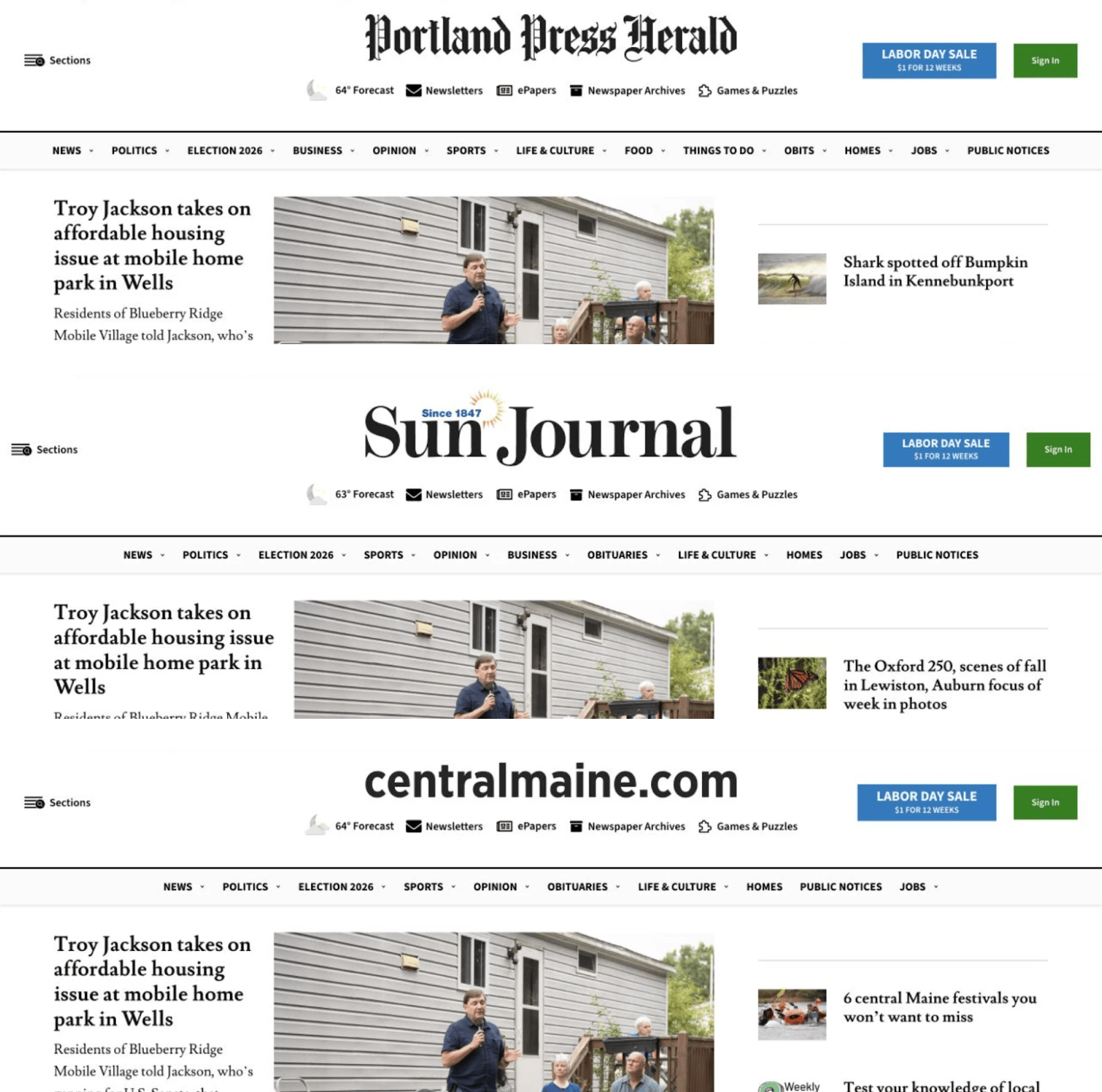
Maine Trust for Local News, Maine’s largest newspaper group, brings together publications including the Portland Press Herald, Sun Journal, and CentralMaine.com. Its journalists share stories across publications, and its publishing platform connects digital reporting with print production. Each newsroom has its own priorities, but a change to an article or author can travel across the network.
For publishers navigating the economics of local journalism, improving that experience demands careful choices about where to invest. Maine Trust wanted a more flexible, modern editing experience and new ways to cover developing stories. Technical debt from years of custom development made high-impact improvements harder to deliver.
We had helped evolve Maine Trust’s WordPress-powered publishing platform for nearly a decade, first as 10up, when the client was known as MaineToday Media. Planning for the next decade meant rethinking our approach. In 2024, we worked with Maine Trust to adopt shared newsroom tools and simplify the platform, laying the groundwork for AI-native development that would make ambitious custom features more attainable.
WordPress editor changes prompted a deeper reset
The existing platform predated WordPress’s block editor, which lets editors compose stories and page layouts from reusable elements. Maine Trust already had a custom system for assembling content, built before comparable capabilities became part of modern WordPress. Migrating would not only reshape how newsrooms collaborated to write and publish content, but also impact content curation, landing page management, and the flow of stories into print and across publications.
But moving was about more than replacing a custom layout system. It opened access to the shared capabilities WordPress’s open-source community was building on that foundation, such as editorial feedback tools and real-time co-editing.
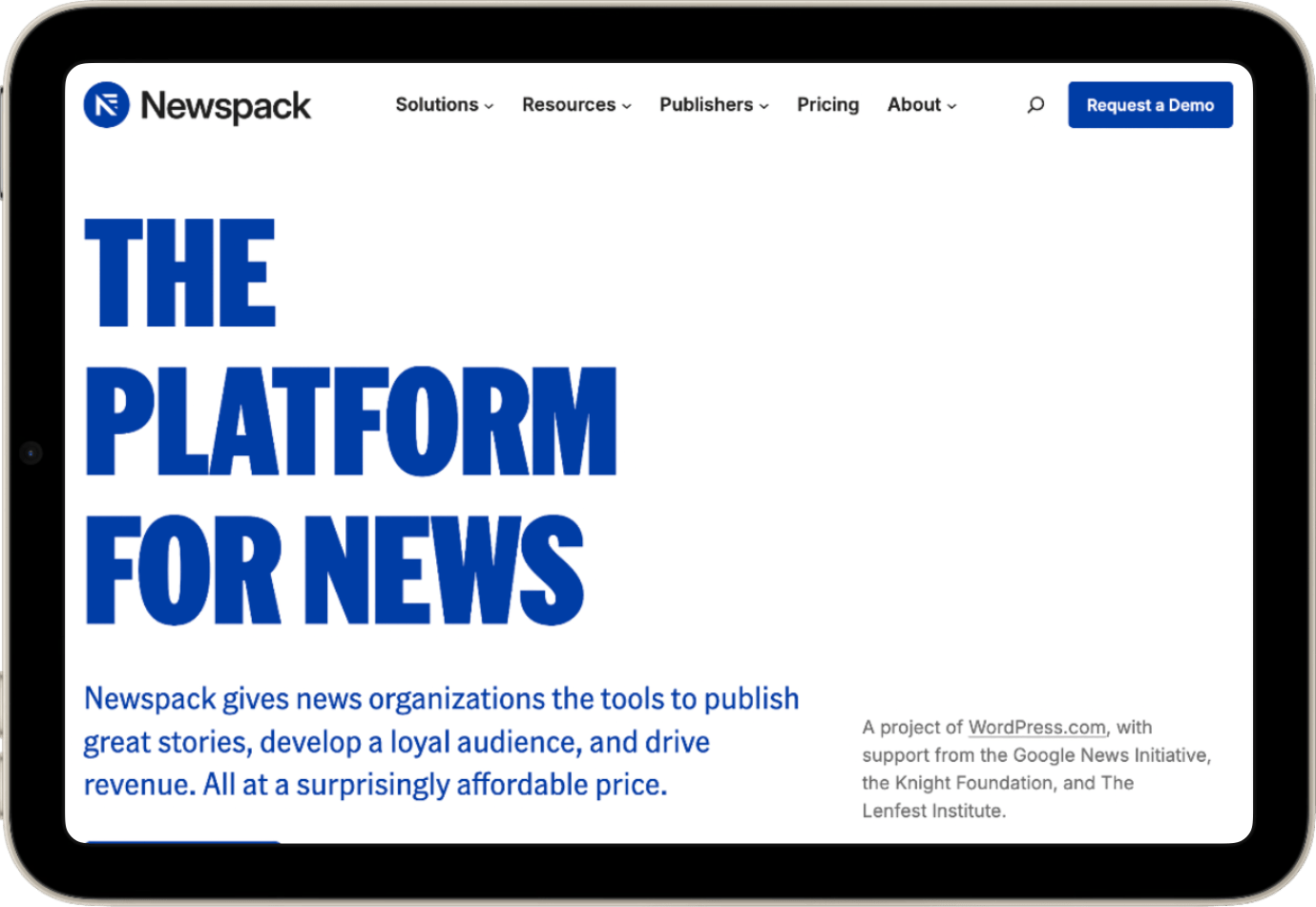
The breadth of those changes prompted Maine Trust and Fueled to consider a more comprehensive platform reset. Since the original build, WordPress and its ecosystem had introduced new tools to meet needs that once required custom development, including Newspack, an open-source WordPress toolkit built for newsrooms.
Streamlining the codebase and reducing accumulated technical debt also gave our engineers a stronger foundation for AI-native development. As those workflows became part of the engagement, they helped us deliver more ambitious features with the resources available.
Shared tools, fitted to a working newsroom network
A more composable platform approach combined tools maintained for many newsrooms with custom components for Maine Trust’s specialized needs, reducing what it needed to build and maintain uniquely for itself.
We turned to Newspack for newsroom publishing essentials. Built for WordPress by the platform’s largest contributor, Automattic, it brings together tools for publishing, audience engagement, and revenue. For Maine Trust, its open-source theme and prebuilt blocks supplied reusable article layouts and tools for curating homepages and section fronts, designed specifically for common newsroom use cases. These shared components gave us a technical foundation we could adapt and extend.
Reuse extended to other established WordPress plugins. For author attribution, we selected Automattic’s official Co-Authors Plus plugin to replace a client-specific fork. Maine Trust already relied on Distributor, our own popular open-source solution for sharing content between WordPress sites, inspired by and purpose built for enterprises like them. Subsequent work replaced a bespoke rewriting tool with Yoast Duplicate Post, letting editors revise published stories in a separate draft before republishing them.
Maine Trust’s central editorial site distributed stories across publications, with particular requirements for author credits, subscription access, and print production. The shared tools had to work as one publishing system and meet those workflow and business requirements. That called for focused custom engineering. For example, Yoast’s Rewrite & Republish feature was adapted to work with Distributor so draft changes stayed unpublished until ready.
We brought the shared tools and custom components together on WordPress VIP. Delivering the new platform involved carefully applying each publication’s visual design and carrying out a substantial content migration. Separating newsroom functionality from presentation gave Maine Trust more flexibility to evolve the design while preserving the workflows behind it.
Delivering live coverage with AI-native development
With a more adaptable publishing foundation in place, Maine Trust could finally pursue a longstanding priority: a better way to cover developing stories. An existing live-blog plugin had proved difficult to adapt to the newsrooms’ requirements, including rich media and a familiar editing experience.
Using AI-native development, we built a new live-blog tool directly into WordPress’s block editor. Each update is a block, allowing editors to publish entries with images, video, and other embedded content in the same environment they use for articles.
The core requirements came together quickly enough to leave time for additional reader features, including browser-tab indicators and notices showing how many updates had arrived while someone was away.
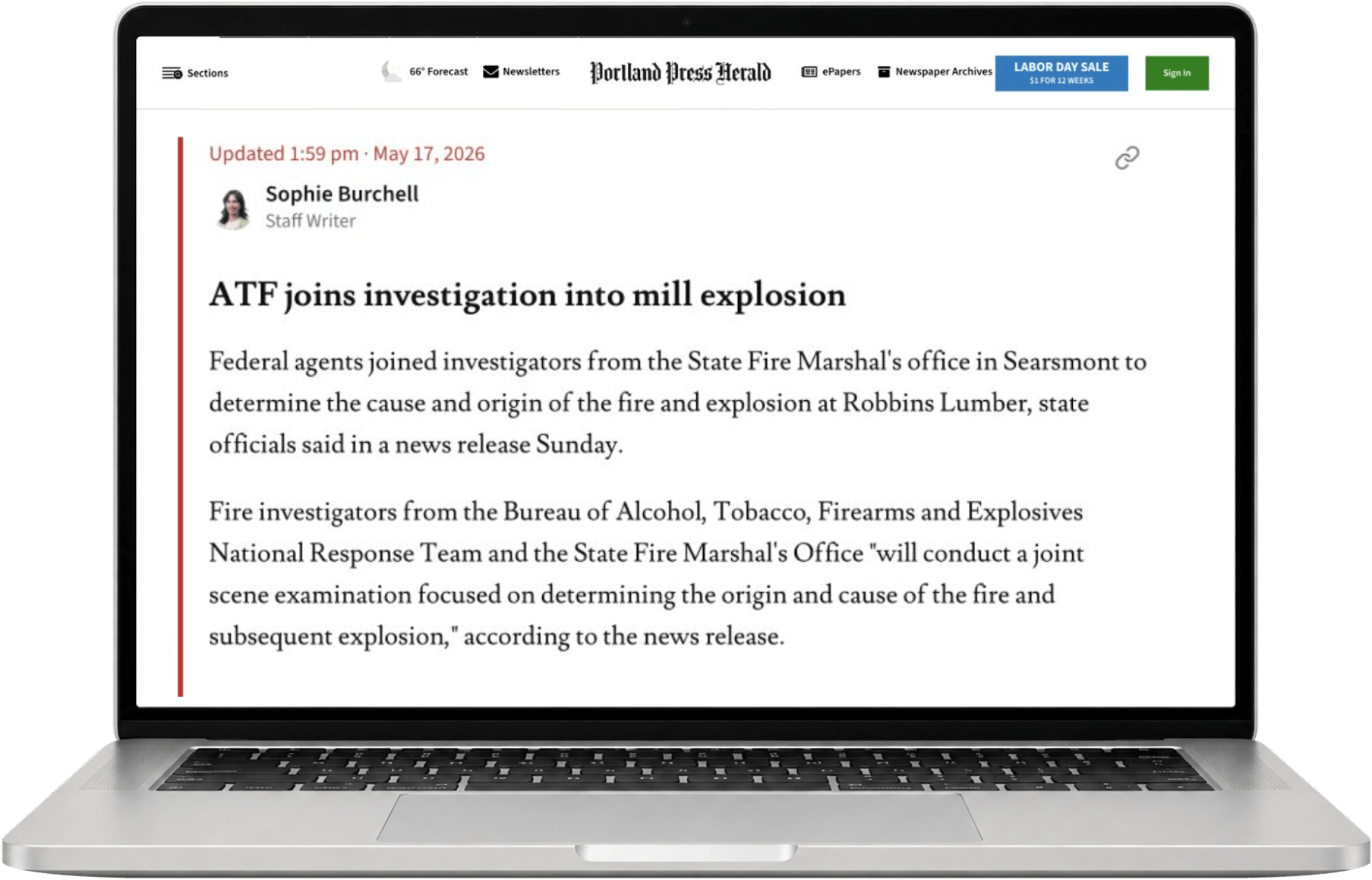
The finished tool also supports guest authors and clear live-status labels. After client review, it was activated across the network. Newsrooms have used it for breaking coverage, including the Searsmont lumber mill fire and explosion.
More room for editorial ambition
Maine Trust now has a modern publishing foundation that can evolve with WordPress and its wider ecosystem. Shared tools reduce what the network needs to build and maintain for itself, while focused custom engineering addresses its particular editorial and business requirements. AI-native development makes ambitious additions more attainable, as the live-coverage tool demonstrates.
Together, these changes give Maine Trust and Fueled a more practical approach for the next decade of their partnership: building on shared progress and directing limited resources toward the capabilities that matter most to Maine’s newsrooms.