
In the first quarter of 2026, Fueled leaders contributed to a range of external conversations spanning product growth, open source sustainability, research, and digital platform strategy. Across interviews, podcasts, articles, and events, a consistent point of view emerged: durable digital experiences are built on systems that prioritize long-term value, operational clarity, and adaptability.
Whether the subject was mobile loyalty, design systems, embedded research, or the future of the open web, the through line was the same. The strongest digital products and platforms are not just innovative. They are easier to trust, easier to operate, and better equipped to evolve over time.
The Food Institute on loyalty, habits, and what makes mobile products stick
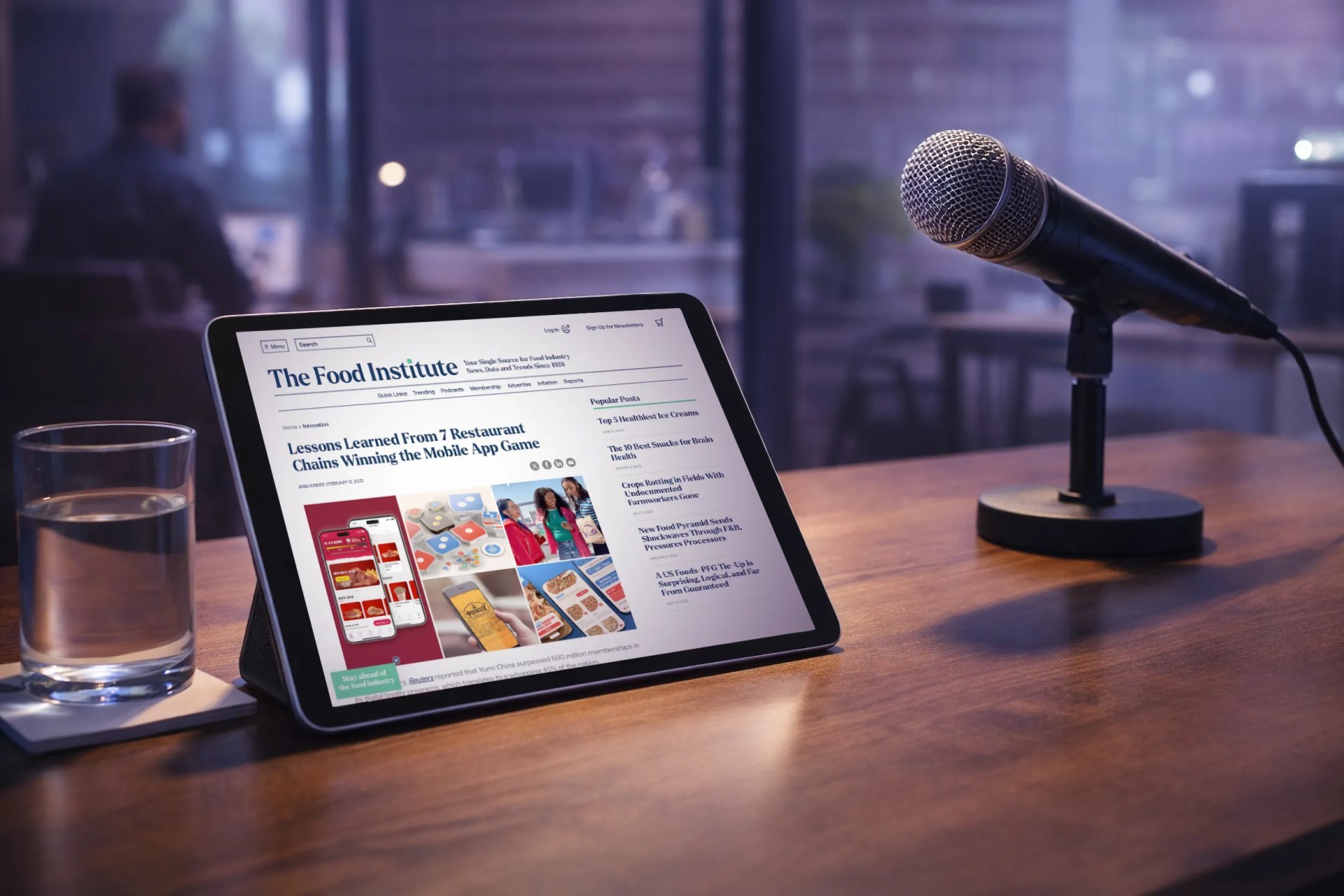
In The Food Institute’s feature on restaurant brands succeeding with mobile apps, Jessica Wagner, Managing Partner of Digital Product, argued that the strongest apps do more than support transactions. They reduce friction, reward consistency, and give customers clear reasons to return.
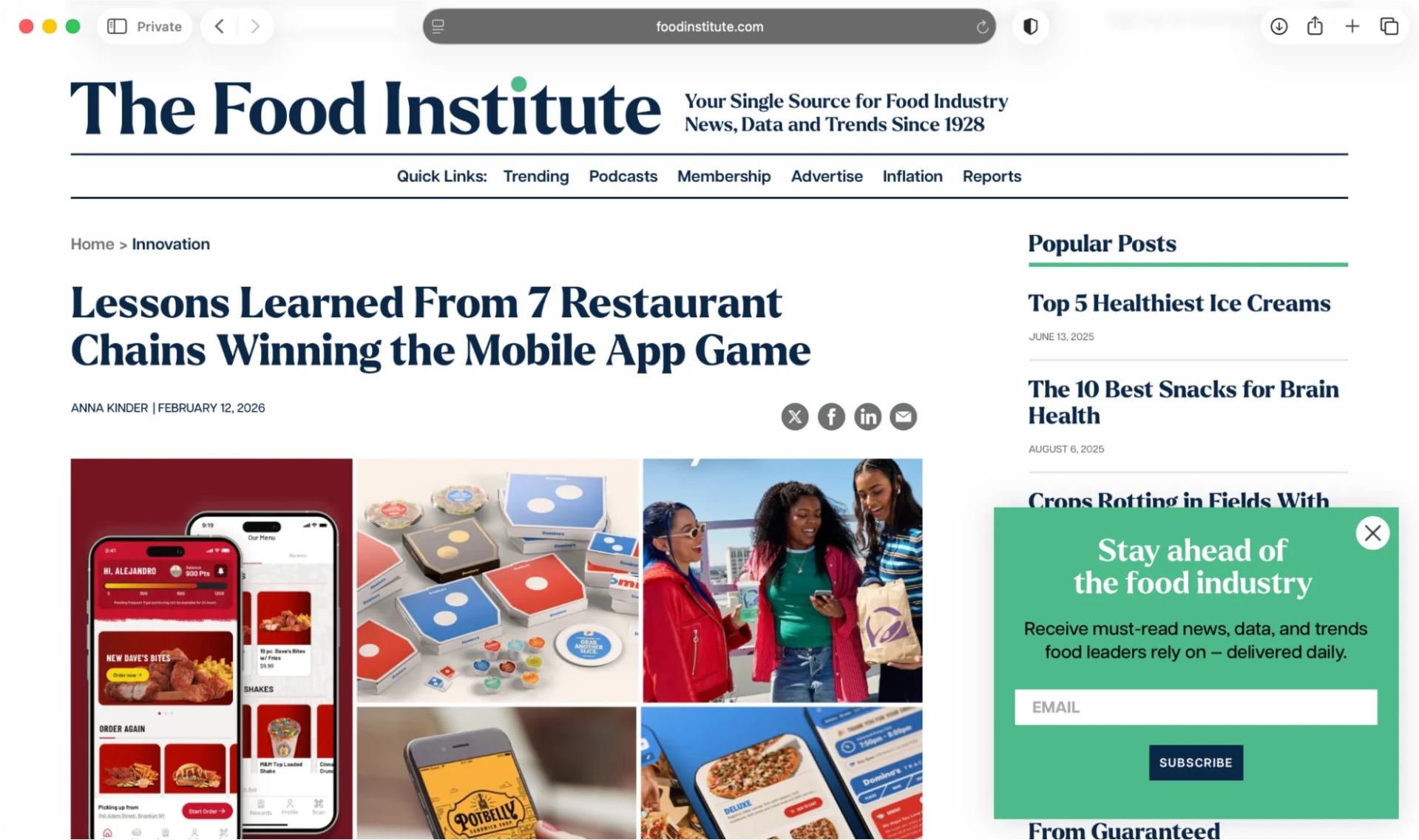
Using examples like Taco Bell and Sweetgreen, she pointed to different ways brands can build repeat behavior, from exclusive in-app moments and early access to transparency, customization, and stronger alignment with brand values. The broader takeaway: loyalty is built by designing for the second and third visit, not just the first transaction.
Jessica Wagner in Authority Magazine on the practices behind product growth
Jessica was also featured in Authority Magazine, where she outlined five practices that consistently support product growth: solve a real problem, validate it early, design for repeat value, reduce friction, and align teams around shared outcomes. She also emphasized using AI and other technologies in ways that strengthen product thinking rather than distract from it.
The through line is straightforward: growth rarely comes from adding more. It comes from making the core experience more useful, more consistent, and easier to return to.
What’s New in Publishing on Good Housekeeping’s new app and the rise of utility-first media products
In February, What’s New in Publishing featured Good Housekeeping’s new GH Kitchen app, built by Hearst UK in collaboration with Pugpig and Fueled, as a sign of a broader shift in media product thinking. Rather than treating apps as simple containers for editorial content, the piece argues that publishers are increasingly designing them as daily-use tools built around repeat value, direct relationships, and retention.
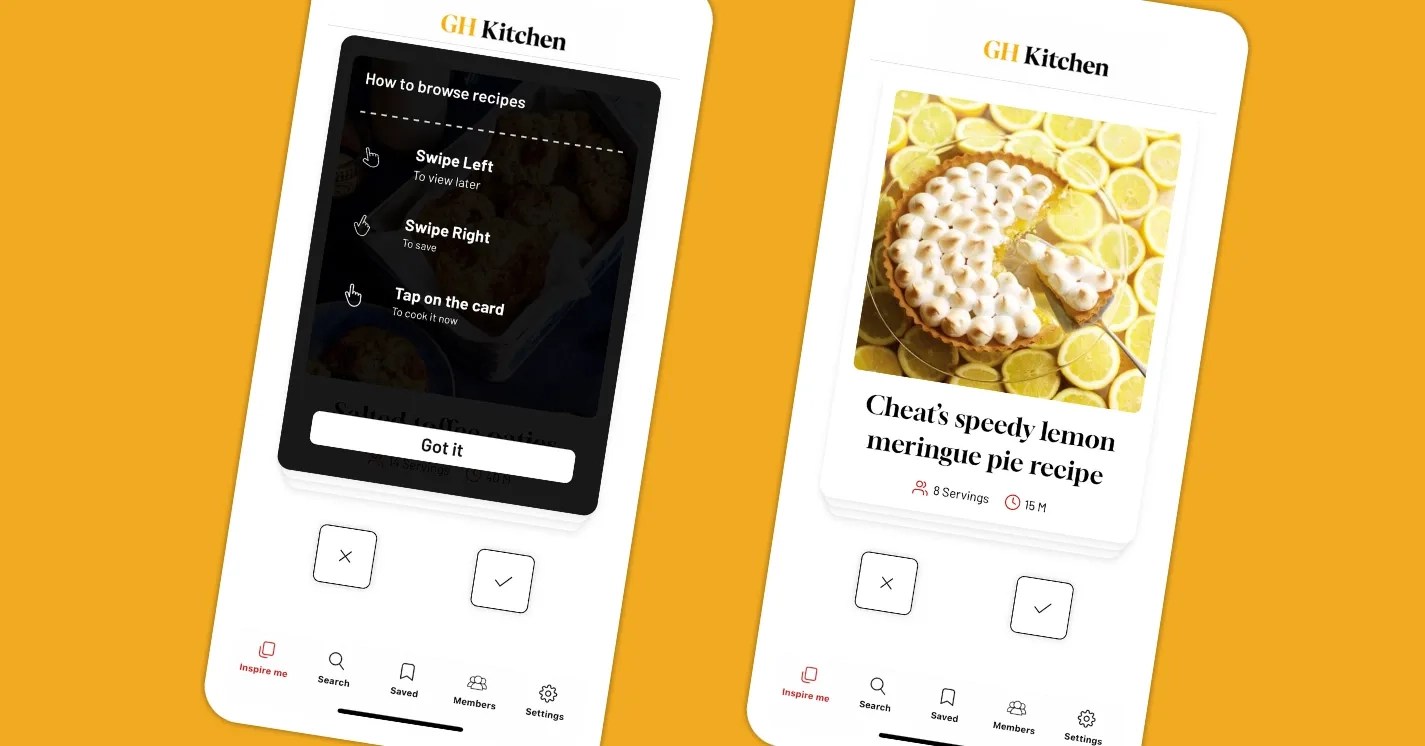
The article points to swipe-based discovery, curated recipe folders, and habit-forming UX as examples of how the app lowers friction and encourages regular use. It is a useful articulation of a broader theme running through several of the stories in this roundup: loyalty is often built not through novelty, but through utility, ease, and reasons to return.
Jeff Paul speaks to LeadDev and Crossword about open source sustainability in the AI era
In two LeadDev features and an episode of Crossword, Jeff Paul, VP of Open Source Initiatives, spoke to a growing pressure point in digital infrastructure: AI is changing how open source projects receive contributions, but not in ways that automatically improve long-term sustainability.
In a LeadDev feature on the growing problems with “AI slop,” Jeff addressed one of the clearest symptoms of that shift: large volumes of low-signal contributions generated without a clear understanding of the underlying problem. That does not reduce the work involved in maintaining a project. It shifts more of the burden onto maintainers, who still need to review, interpret, and often unwind that output.
In a separate LeadDev article on what Tailwind’s layoffs reveal about open source in the age of AI, Jeff highlighted a different kind of pressure. For some open source projects, documentation is not just a learning resource. It is also a path to paid subscriptions or support offerings that help fund ongoing maintenance. As AI assistants answer more questions inside the IDE, that path can weaken. For projects that already lack meaningful commercial backing, funding maintenance remains a real challenge.

Jeff also spoke on the Crossword podcast about the human side of sustainability, and how contributors without engineering backgrounds can still play an important role in coordination, release management, and other work that frees up engineers’ focus.
For organizations that depend on open-source platforms, the sustainability of these ecosystems affects the health and long-term viability of the tools digital operations depend on.
Dmitry Mayorov in HackerNoon and at EvolveDigital on reducing front-end complexity
Across two appearances this quarter, Dmitry Mayorov, Staff Engineer, argued that front-end systems become harder to maintain when teams introduce too much complexity too early.
In HackerNoon, Dmitry argued that CSS becomes difficult when codebases accumulate avoidable complexity as they grow. His recommendations are straightforward: start with markup, avoid shorthand and specificity that create side effects, design mobile-first, and use the cascade intentionally.
He brought that same philosophy to EvolveDigital Toronto 2026 in a session titled, “Stop letting WordPress break your design system.” WordPress is flexible by design, but enterprise teams still need consistency by default. Limiting unnecessary options and providing a more focused set of brand-safe blocks and patterns can reduce drift, speed up publishing, and lower the maintenance burden as sites and teams expand.
Paige Maguire with the Merlien Institute on embedding research into product design
In February, the Merlien Institute published an interview with Paige Maguire ahead of UX360 North America 2026. Her central point was straightforward: research is most valuable when it is embedded into design practice, shaping discovery, concept development, iteration, and launch rather than arriving as a handoff after key decisions have already been made.

Paige also spoke to where UX is heading more broadly. As AI becomes part of more everyday products, design teams are increasingly working on systems that respond to context and intent, not just fixed screens and flows. That makes trust, transparency, and emotional clarity more important, not less.
Jake Goldman on the WP Cloud podcast: trust signals and owned web experiences
In February, Jake Goldman joined WP Cloud’s Impressive Hosting for a conversation about what enterprise buyers actually look for in WordPress hosting. One of the clearest takeaways was that specialization still matters. Enterprise teams are looking for evidence that a partner knows WordPress deeply, treats it as a core capability, and has delivered for similar organizations before.
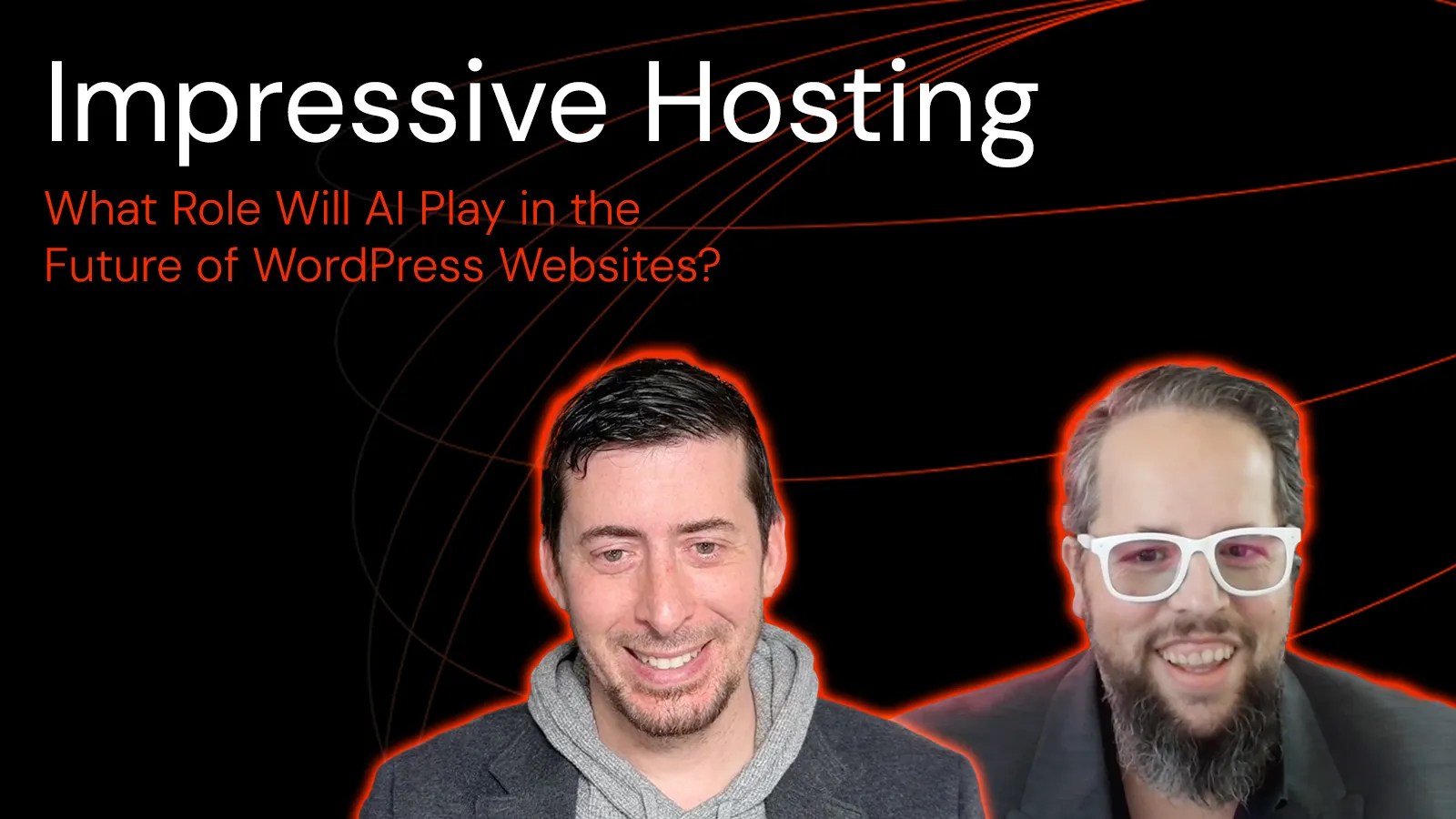
The conversation also turned to the broader implications of AI for websites. Jake argued that general online knowledge-seeking will increasingly move away from traditional websites toward more conversational interfaces, but that brand-owned online destinations still have lasting value when people want to explore or browse a curated experience.
For decision-makers evaluating platforms and partners, that distinction matters. The question is not whether AI replaces the web, but rather which parts of the experience remain most valuable to own and shape directly.
For media inquiries or speaking opportunities, get in touch with Fueled.