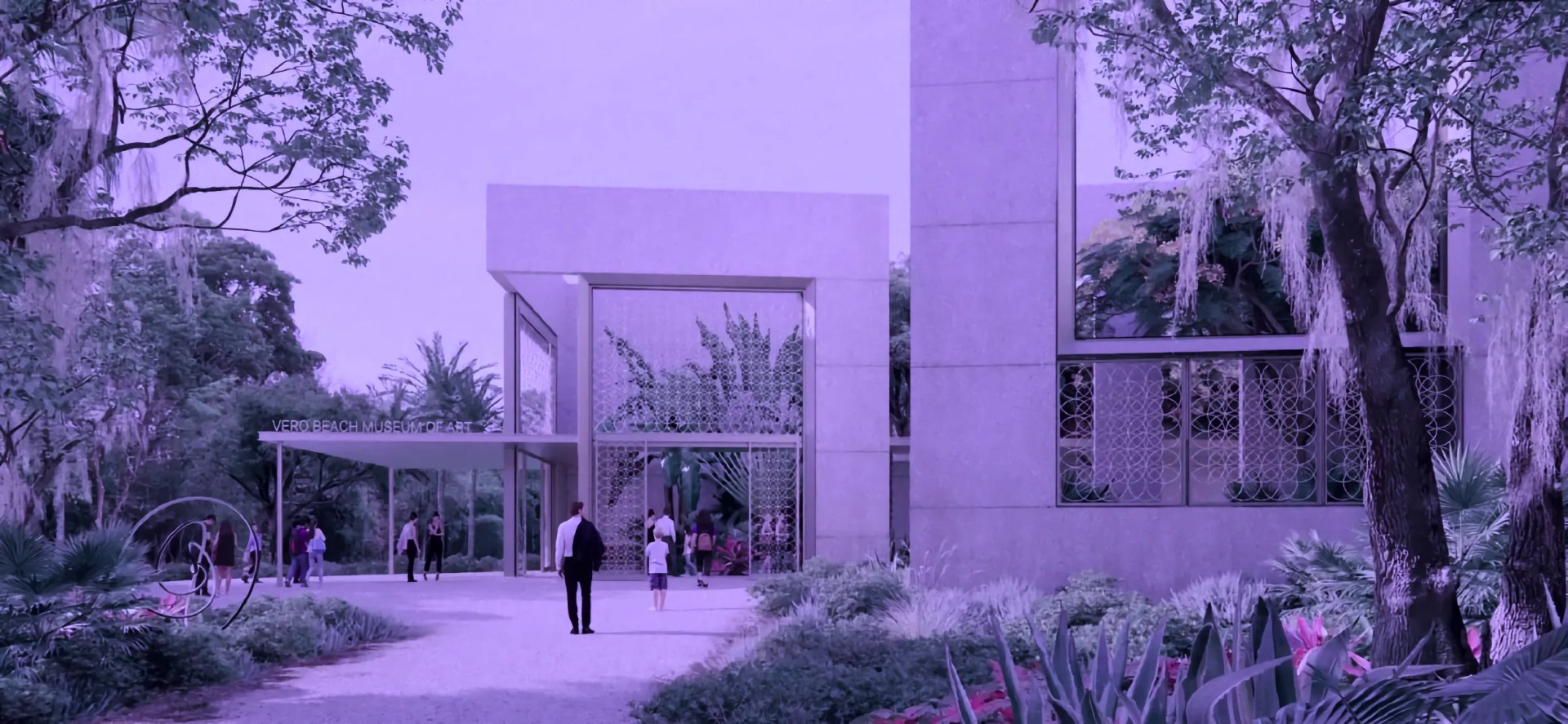


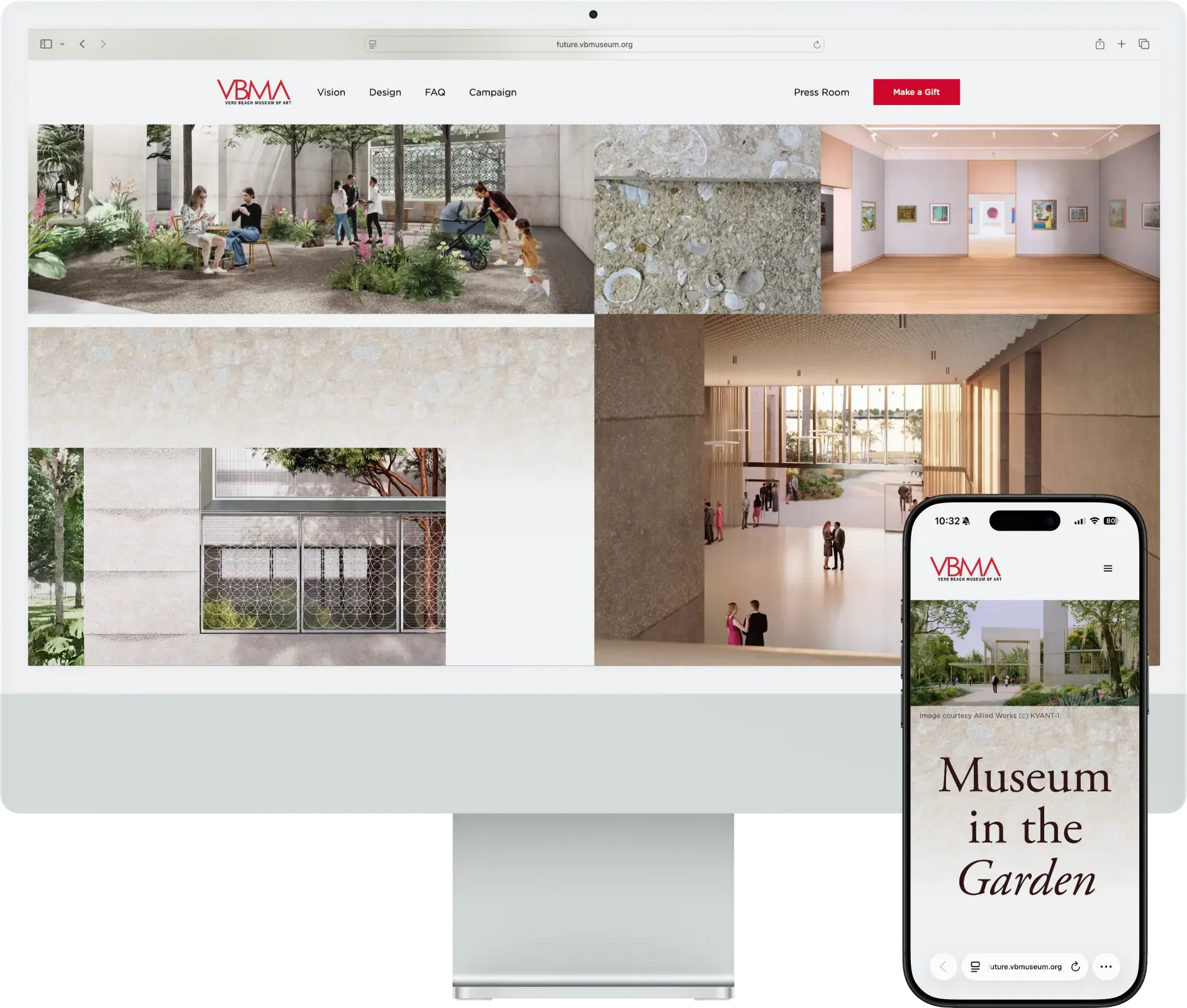
A few months ago, we helped Vero Beach Museum of Art launch a highly visual campaign microsite for a major campus transformation.
When the museum first approached our team, it needed an experience that could build excitement around the project, support fundraising and public awareness, and reflect the ambition of the new building itself. To get there, our team had to move from kickoff through strategy, content planning, design, build, refinement, and launch on a compressed timeline.
That called for clear priorities. From the start, our focus was on telling a coherent story about the expansion and designing an experience that could carry that story without distraction.
That meant treating the microsite as a focused campaign experience, not a scaled-down version of the museum’s main website. To support a more expressive visual direction and iterate quickly on motion and interaction without overcomplicating the build, we selected Webflow.
Strategy came before screens
The museum knew it needed to tell a story about the expansion. What needed shaping was how that story should unfold online: what should lead, what belonged on the site, and what donors, supporters, and press needed to understand.
Through Fueled’s Design Alignment Workshop, we aligned with the client on the role the microsite should play, how distinct it could feel from the main site, and how to organize the experience around the expansion story, design details, practical FAQs, and press resources. Just as important, we defined what belonged in the microsite and what did not, so the experience could move with purpose instead of feeling like a loose collection of campaign materials.
That early clarity gave the project something just as valuable as speed: direction. It meant later decisions about design, content, and platform could reinforce a shared story instead of trying to create one on the fly.
A visual language shaped by place
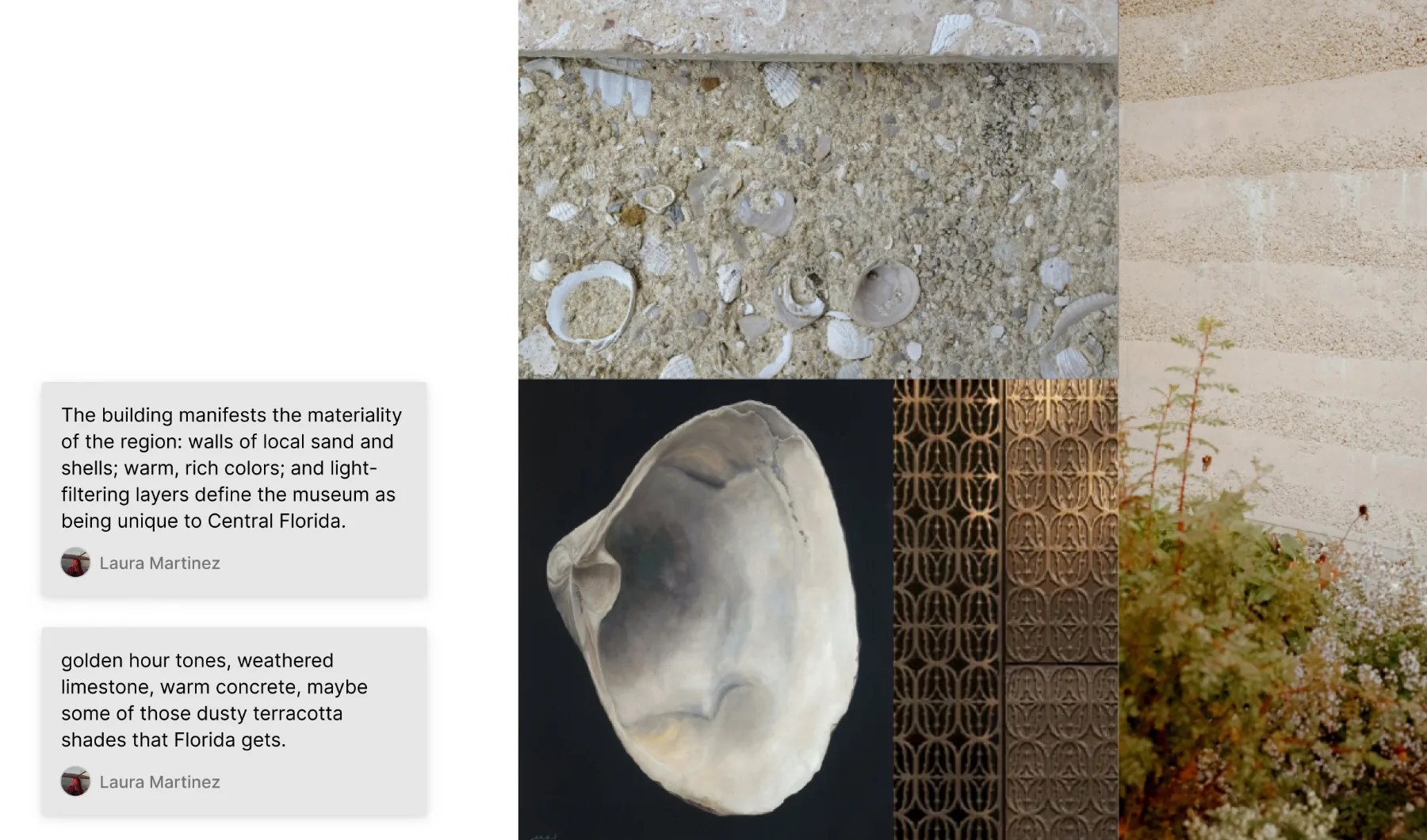
To create a campaign experience that felt warmer, more modern, and more expressive, the design team looked to the architecture, surrounding landscape, and textures of the museum’s coastal Florida setting. That work helped the site feel connected to the physical environment the museum was creating, not just the institution’s existing digital brand.
Motion would be part of how the microsite told the story, helping create rhythm, guide attention, and make the expansion feel more tangible.
That distinction was important. The microsite needed to do more than explain the expansion. It needed to help audiences imagine it. For an expansion campaign, that visual treatment is part of how the story is understood.
Choosing Webflow
The microsite was not intended to take on the broader content, navigation, and long-term publishing responsibilities of the museum’s main WordPress-powered website. Certain functional experiences, including exhibitions, collections, and history, could remain on the main site, allowing the microsite to stay focused on storytelling while relying on established and trusted features.
With an expressive, motion-driven direction established, the priority became finding a platform that would support rapid visual iteration and exploration without introducing unnecessary complexity. Webflow proved to be a strong fit for that kind of work. Design and development were able to explore and refine motion and interaction patterns more quickly in real time. The platform’s ecosystem also helped, giving the team proven approaches to borrow and adapt rather than requiring everything to be built from scratch.
Close collaboration made the timeline possible
In just under four months, the timeline left little room for long handoffs or extended back-and-forth. On this project, strategy, design, and development stayed closely connected from the start, moving quickly from direction into the browser to test ideas where they would actually live.
Rather than fully designing every interaction upfront, the team worked iteratively. Motion and layout ideas were explored directly in Webflow, with designers and developers refining them together in real time. That made it possible to react quickly, keep what worked, adjust what didn’t, and maintain momentum without losing coherence.
That same alignment carried through on the client side. Vero Beach Museum of Art worked closely with the team throughout the project, helping maintain focus and move decisions forward as the site took shape.
The project moved well not because anyone rushed, but because the team aligned early and stayed in sync, solving problems while they were still small.
A focused experience, built with intent
What made this project work was not any single design element or platform choice. It was the combination of early alignment, disciplined scope, and a tightly collaborative process.
Early on, we aligned with the client on what the microsite needed to do and what it did not. That gave the project a clear direction and made it possible to move quickly without constantly reopening foundational decisions.
That clarity also made it easier to make smart tradeoffs. We focused on the elements that would carry the story forward, left broader publishing and transactional needs to the main site, and kept the microsite centered on the story of the expansion.
From there, the work stayed highly iterative. Strategy, design, and development moved together, testing ideas directly in the platform, refining motion and interaction in real time, and building momentum through quick feedback and adjustment.
Webflow supported the level of visual expression we wanted, while making it easier to explore and refine ideas quickly without overcomplicating the build. If you’re looking to create an immerse, story-centered digital content experience, with a team that can drive impact at a fast clip through efficient design alignment processes, smart platform selection, and a tightly collaborative and iterative implementation strategy, we’d love to help.