
We unified the Six Flags digital experience across web and mobile, helping millions of guests make more of every visit while simplifying operations across 27 parks.
Six Flags is North America’s largest regional amusement-resort enterprise. Guests rely on its digital products to plan trips, purchase tickets, and navigate its parks.
When Six Flags approached Fueled, its branding varied from park to park, the website was difficult to manage, and the mobile app struggled to deliver the intuitive experience visitors expected while spending a day inside the park.
Working across product strategy, UX and visual design, website engineering, and native mobile development, Fueled helped Six Flags replace that fragmentation with a connected system built around the moments that matter most to park guests, from planning a visit to navigating the park.
A Unified Design System for Web and Mobile
Before the engagement, park websites used different content structures and visual patterns, so visitors often encountered experiences that felt more like separate websites than one national brand.
Fueled established a design system for the mobile app, then extended it when the engagement expanded to include the responsive website. The final system used three connected libraries: a foundational layer for shared elements such as color and typography, plus dedicated component libraries for mobile and web.
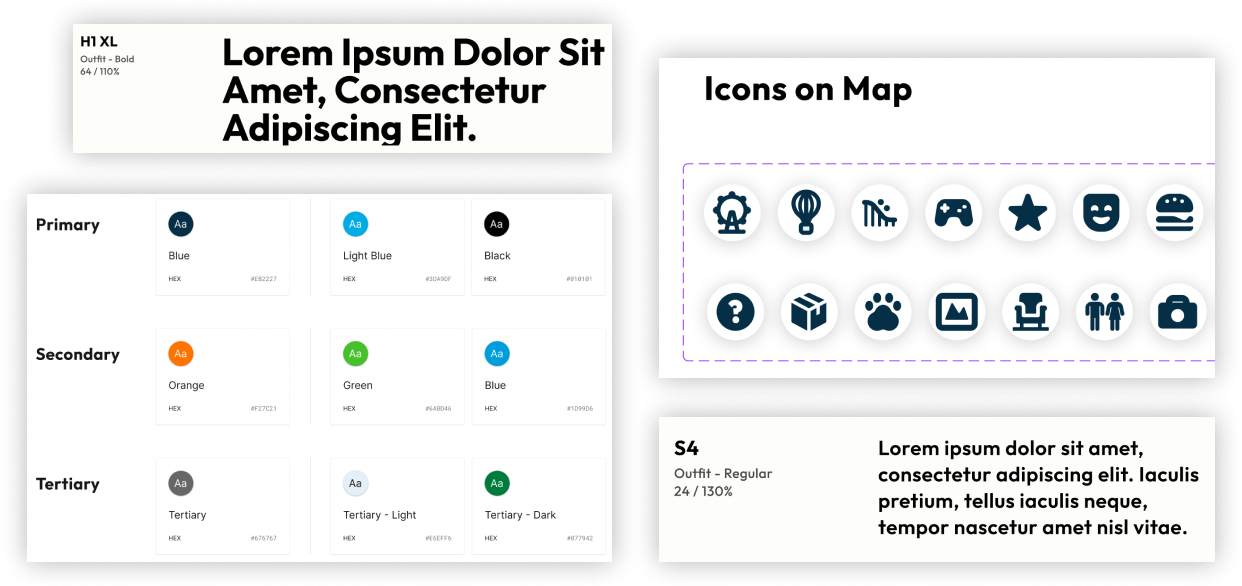
That structure created consistency across the website and mobile app without forcing both products to use identical interface patterns.
A Mobile Experience Built Around the Park Visit
For many guests, the mobile app becomes an extension of the park experience once they arrive.
The existing mobile app was unstable and relied on static PDF park maps, limiting its usefulness as guests moved through large, complex destinations. Six Flags needed an experience that could help visitors orient themselves, discover nearby attractions and amenities, and spend less time searching for information.
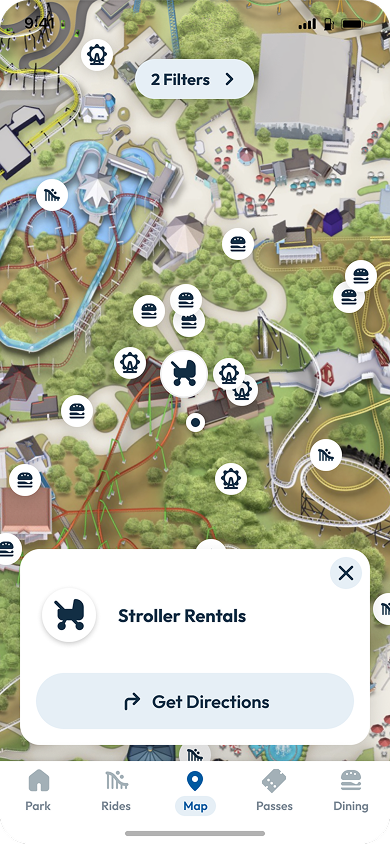
Turning static maps into interactive wayfinding
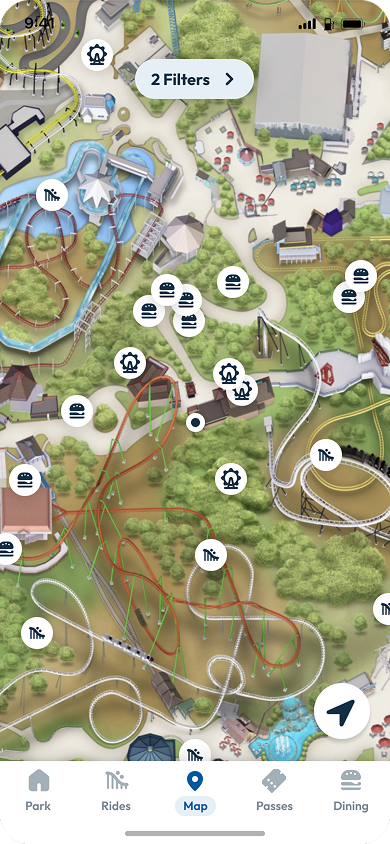
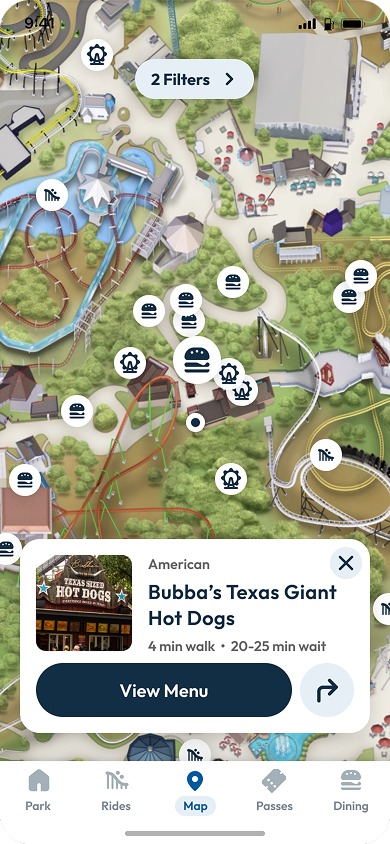
Fueled integrated Concept3D’s detailed venue maps into the native iOS and Android apps, then added native controls and Six Flags content so the embedded maps felt like part of the product. Concept3D powered the underlying maps and wayfinding. Guests could zoom through each park, recenter on their location, tap markers for information about rides, restaurants, and shops, and get walking directions to their next destination.
What had been little more than a static map on a screen became an interactive guide to the entire park.
Making it easier to order food
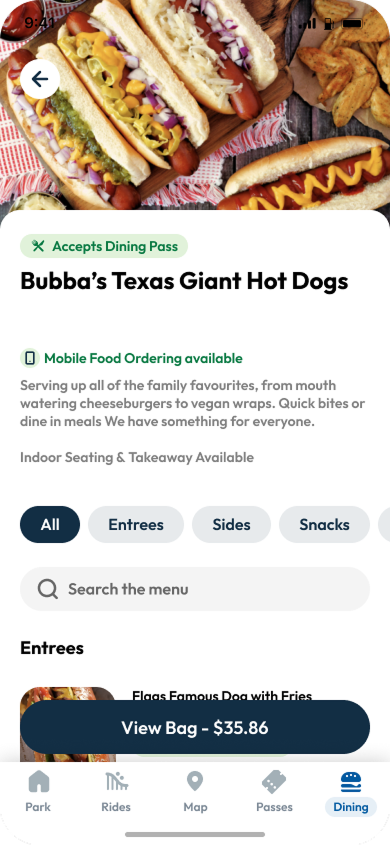
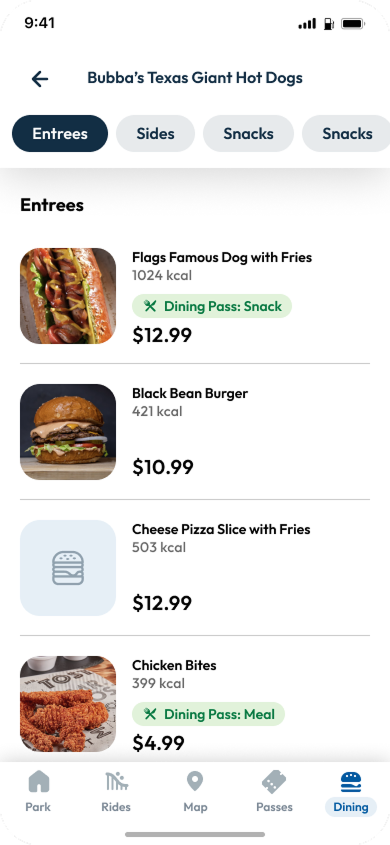
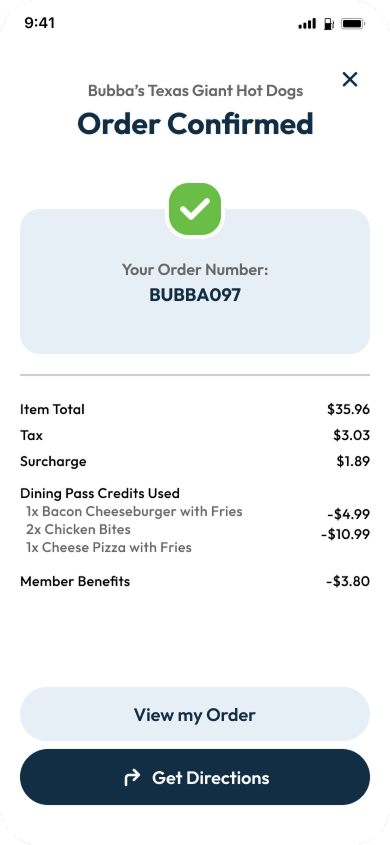
Fueled also designed and developed a custom in-app food ordering experience.
Guests could browse menus across participating restaurants, place orders directly from the app, and receive notifications when meals were ready for pickup.
By integrating with VenueNext behind the scenes, Fueled modernized the guest-facing experience without replacing the systems Six Flags already used to manage restaurant orders.
Improving ticketing without replacing the platform
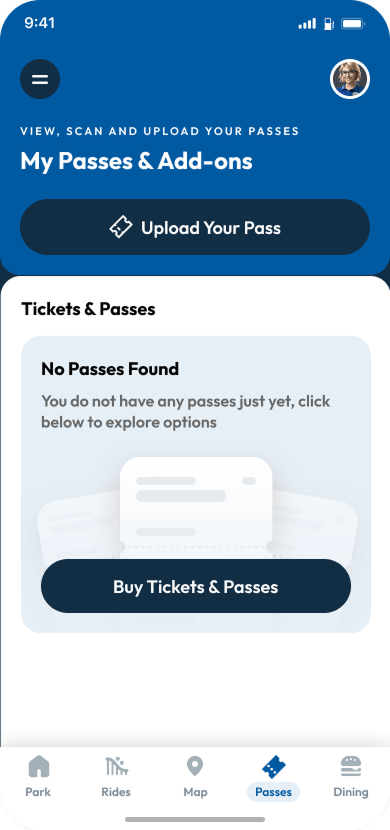
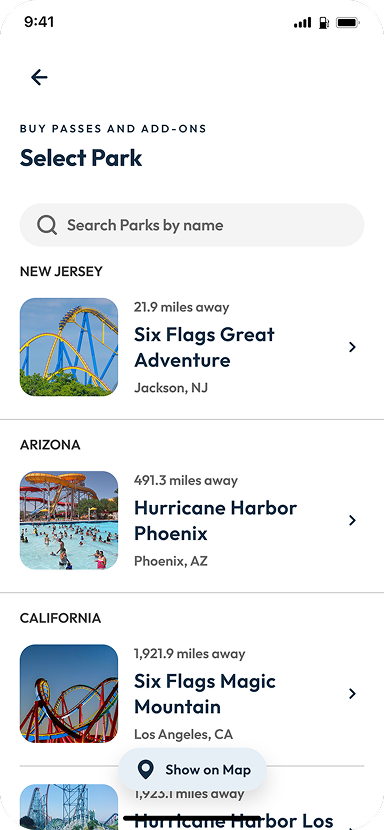
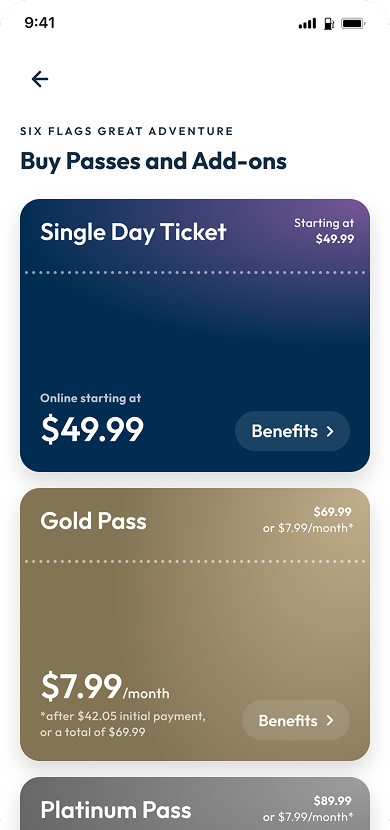
Six Flags’ ticketing platform depended on a long-term third-party vendor, limiting how much of the purchasing experience could be redesigned during the initial engagement.
Rather than forcing an impractical replacement, Fueled designed a polished interface around those constraints, improving the experience wherever possible while maintaining compatibility with the existing platform. A more fully native ticketing journey remained on the roadmap, but it did not need to become a prerequisite for meaningful improvements in the initial release.
Even while working within those constraints, Fueled’s redesign resulted in an 8% conversation rate in ticket sales and a 28% drop in bounce rate from the ticketing page.
Exploring the future of AI-assisted park experiences
During the engagement, Fueled also explored how conversational AI could help visitors plan and enjoy their trips.
The team designed concepts for an AI-powered park assistant capable of answering questions, helping guests navigate the park, recommending attractions, and providing contextual guidance throughout the day. A second concept showed how personalized itineraries could be generated based on factors such as trip length, preferred parks, and whether visitors were seeking thrill rides or family-friendly attractions.
The concepts were developed early in the generative AI wave, when dependable guest-facing applications were not yet established practice. Although they did not advance beyond design, the exploration gave Six Flags a tangible vision for applying conversational AI when the technology and timing were right. It focused on two moments in the guest journey: planning a trip before arrival and getting more from each day in the park.
Giving Park Teams More Control Over Content
Behind the guest experience, Six Flags also needed to replace disconnected publishing workflows without losing the local flexibility each park required.
Fueled led the experience design and front-end and CMS implementation for a new Six Flags website built with Next.js and Sanity. As a featured Sanity Agency Partner, Fueled applied its platform expertise to a composable system designed to support content across 27 parks from one centralized CMS.
The platform gave Six Flags:
- Custom roles and approval workflows, allowing individual park teams to manage local content within a shared governance model.
- Flexible page-building tools, giving marketers more control over page composition without requiring a bespoke engineering effort for every campaign.
- Seasonal event experiences, including Fright Fest pages, that teams could edit and switch on or off as campaigns moved in and out of market.
- Localization support for English-, French-, and Spanish-language park experiences within the same broader platform.
- Shared content structures that allowed selected information in Sanity to serve both the website and mobile app.
A Better Experience for Guests and Park Teams
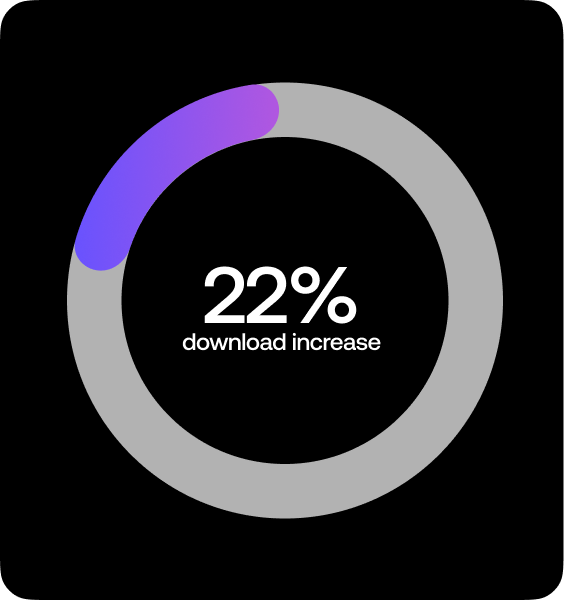
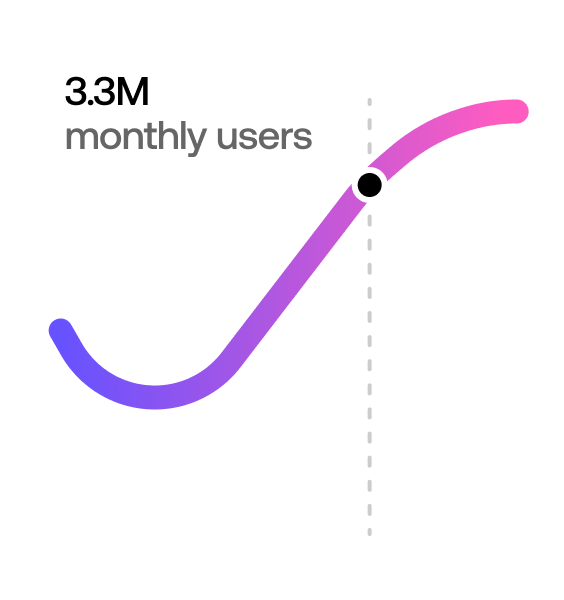
Across the engagement, Six Flags launched native iOS and Android apps and a new website built with Next.js and Sanity. The mobile experience contributed to a 22% increase in downloads and an increase of 3.3 million monthly users.
The apps brought interactive maps, attraction discovery, food ordering, and ticket access into one coherent interface, while the website gave distributed park teams a shared system for managing local content.
The work also gave Six Flags a durable operating foundation: connected design libraries for web and mobile, reusable components, and centralized editorial workflows designed to evolve with the organization and its brand.