
A retailer can grow sales without becoming the customer’s go-to store. Apps like Instacart influence that choice by deciding which stores and deals shoppers see first.
DoorDash’s agreement to acquire Instacart for approximately $17 billion would put two major shopping apps under one owner. The deal could help retailers reach more customers while making them more dependent on one company and raising the risk that shoppers see their stores as interchangeable.
Repeat orders do not establish loyalty
A customer can order from the same grocer every week through Instacart. That does not tell the grocer whether the customer prefers the store, relies on Instacart’s convenience, or values both. Instacart can keep that customer even if the grocer loses them.
DoorDash expects to keep the Instacart app after the acquisition, offering continuity and some reassurance for retailers already doing well there. At the same time, its plan to offer DashPass and Instacart+ members one membership fee instead of two could encourage shoppers to try the other app and discover different stores. Even if both apps remain for the foreseeable future, the way they steer customers toward stores and offers can change. Retailers need a plan to keep customers choosing their store if those apps or shopping habits change.
Both apps already let businesses pay for more prominent placement. DoorDash offers Sponsored Listings, while Instacart’s retailer beta pairs sponsored placement with a required discount. Bringing those advertising businesses under one owner could change how retailers compete for attention on either app.
Retailers should not build a loyalty strategy around today’s placement, promotions, or advertising costs staying the same. They need customers who seek out their store even when the app promotes a competitor.
Give customers a lasting reason to shop directly with a store or brand
The proposed deal could shake up shopping habits and sales channels that retailers have come to rely on. Retailers need make a direct relationship worth it, creating better digital experiences and loyalty programs. A grocer could tailor rewards to a household’s purchases in store and online. A restaurant could recognize and reward regulars whether they dine in or order directly. Their websites and apps should make those benefits easy to use.
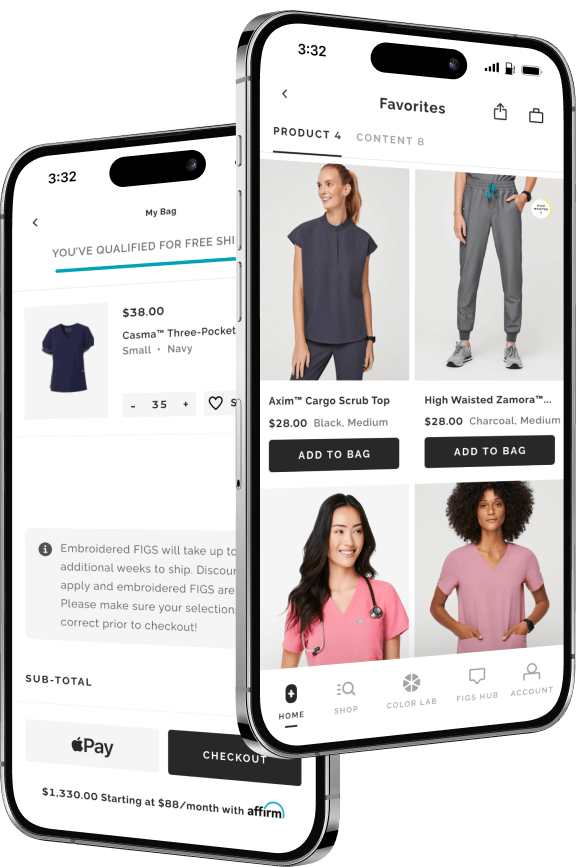
Our work with FIGS, a medical apparel brand, shows how the same thinking can apply in another retail category. We helped launch an app with color comparison and launch countdown features built around healthcare professionals’ enthusiasm for the brand’s color releases. Those features gave their customers reasons to return to the brand’s own app between purchases.
Retailers should also look for durable ways to keep customers choosing their store within DoorDash and Instacart. DoorDash’s Store Loyalty lets merchants reward repeat orders, while Instacart lets shoppers use participating retailers’ loyalty benefits. The proposed deal makes it worth reassessing how these platforms fit into a retailer’s strategy as their reach and capabilities evolve. The goal should be to turn that reach into profitable repeat business for the store, alongside investment in its own website and app.
If the app put a competitor first tomorrow, what would keep customers coming back to your store?
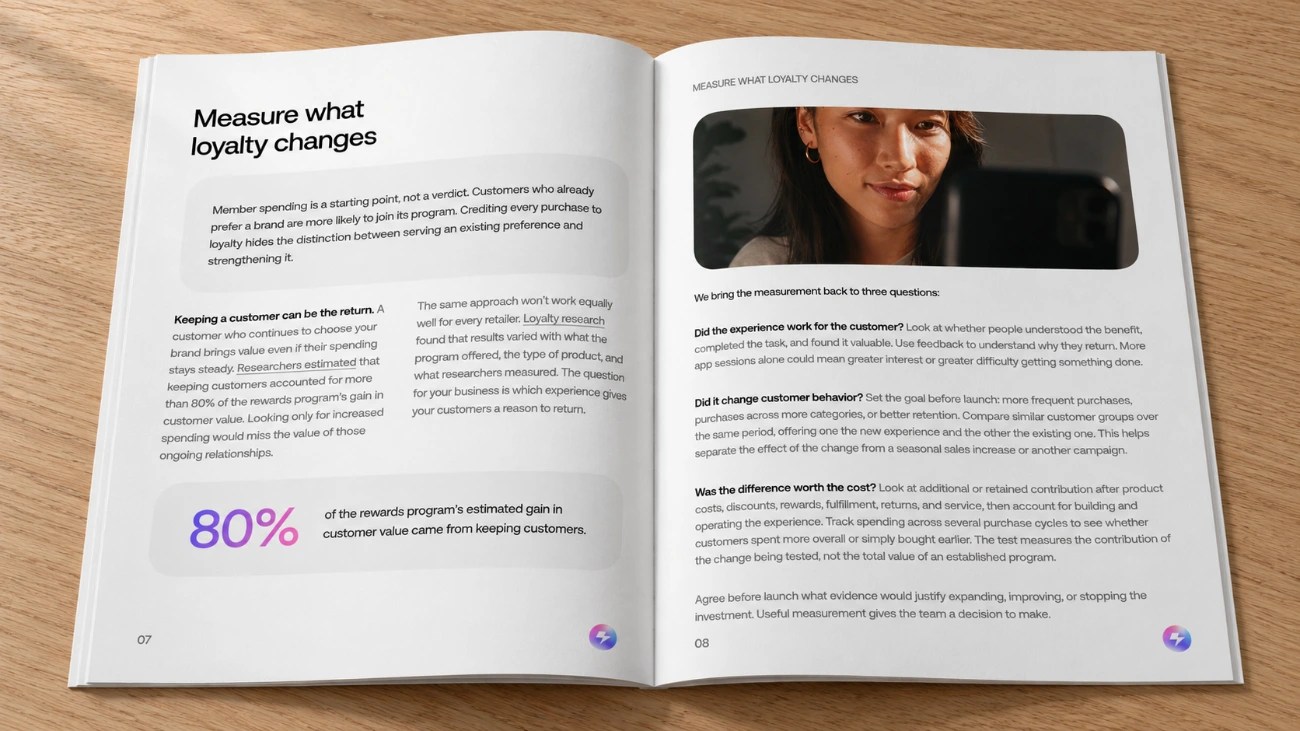
Our recent white paper, Loyalty Beyond Enrollment, explains how to identify gaps in the retail customer experience and measure how improvements affect retention and the bottom line across channels.