
AI is cutting the engineering effort needed to change a website’s content management system, hosting infrastructure, and under-the-hood architecture. It helps engineers quickly analyze legacy systems, develop migration code, adapt essential functionality, and validate the result. That makes complex platform changes that can unlock ongoing savings and efficiencies more achievable within a fixed budget and launch window.
Our partners at WordPress VIP recently examined this shift in How AI Is Making Website Consolidation, Migration, and Replatforming Easier, drawing in part on Fueled’s workflows and recent client experience. Building on that discussion, we’re looking more closely at the engineering approach behind those gains and what it takes to deliver a reliable platform migration.
Less manual work, more engineering judgment
A migration gives AI a concrete engineering problem: an existing system to inspect, a destination to compare it with, and behavior that can be tested. It can study code and architecture, identify what won’t carry over cleanly, and recommend ways to close those gaps.
Our engineers direct that work using Fueled’s own tools, project-specific instructions, and WordPress engineering standards. Their experience shapes what AI investigates and which recommendations become part of the plan. They decide what to preserve, adapt, or rebuild, then use AI to help develop and test the migration code. That work can range from moving between entirely different content platforms to changing the underlying architecture or hosting while keeping the same CMS. AI also helps them build or adapt custom components when the new platform lacks essential functionality or publishing tools.
That cuts the time spent piecing together the old system and writing routine code, while concentrating engineering effort on architectural decisions, difficult exceptions, and validation.
We have used these techniques on a number of U.S. federal government websites to migrate public-facing content that did not include private or confidential information. We estimate that combining AI-native development with reusable migration scripts reduced engineering effort by as much as 80% compared with work that historically could have required hundreds of hours.
The scripts can be tested, corrected, and rerun as content changes before launch. Sites that store and organize content in similar ways can also build on migration code already validated for a related site. Reports of migrated content and its old and new URLs help engineers find discrepancies.
Cutting migration effort with AI-native delivery
Our AI-native approach pairs Claude with our WordPress tools, which keep AI processing costs down. Project-specific instructions and established validation practices guide the work.
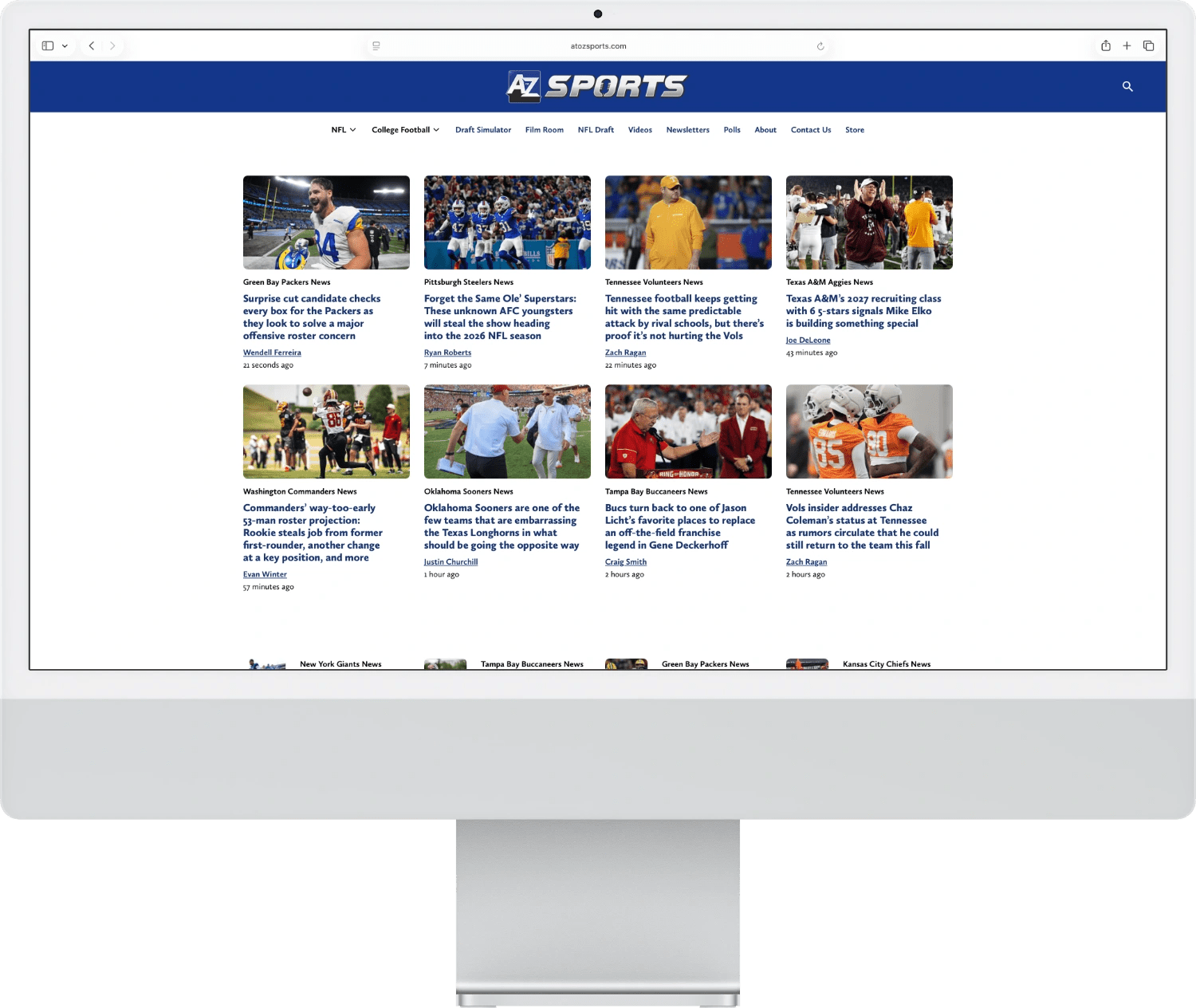
For A to Z Sports, this approach saved an estimated 80+ engineering hours across a migration to a new WordPress platform. We replaced its complex setup, which used a separate frontend application, with a simpler website that is easier to maintain and faster to improve. Those savings helped the team stay within budget and meet a fixed launch window ahead of the NFL Draft.
For example, AI analyzed the database during discovery to identify the most-used content blocks and how they varied. That gave engineers a faster way to decide what needed to be recreated, adapted, or retired. Analysis that could previously take up to 20 hours was completed in minutes.
Make wider testing practical
A large content archive needs checks across migrated pages, assets, and URLs. AI-assisted visual testing, alongside automated accessibility and performance audits, makes wider coverage practical within a project’s timeline and budget.
Our visual regression testing tools are especially useful when a migration is meant to change the underlying platform while preserving the visitor-facing experience. They use AI to compare screenshots before and after the move, flagging problems such as missing navigation or broken layouts while filtering out routine editorial changes, like new headlines or images. That lets engineers spend less time sorting through harmless differences and more time investigating actual problems.
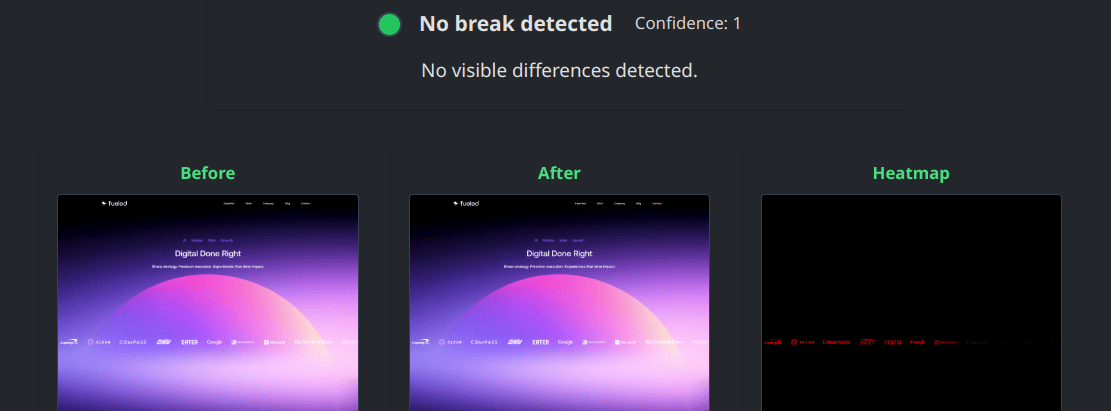
Those comparisons sit alongside checks of content, media, authors, dates, relationships, redirects, and critical functionality. Engineers use the results to investigate exceptions, then review content and user experience hands-on before launch.
Revisit the business case for moving platforms
Historically, the upfront cost of a migration could outweigh the savings of a platform that is less costly to run and build on. AI-native delivery changes that calculation by cutting the engineering effort needed to make the move. Projects previously ruled out on cost or effort deserve a fresh look.
If your organization is considering a website migration or consolidating multiple sites, reach out to Fueled. We’ll help assess what needs to change and build a migration plan around your goals, budget, and timeline.