


Digital products can reach more customers and create more value when they work inside the website, publishing, and commerce platforms those customers already use.
A strong integration does more than connect systems. It can help win and retain customers by lowering the cost and complexity of adoption and giving them valuable new capabilities. It can also open new paths to growth by bringing the product into other platforms’ markets and communities.
Fueled has built and evolved official integrations that bring digital products into platforms including WordPress, Wix, Webflow, WooCommerce, and others. We approach them as product experiences in their own right, designed to make the products behind them more useful and more integral to customers’ businesses while creating value neither system could deliver alone.
beehiiv: Turning content into audience and revenue
beehiiv combines newsletter publishing with tools for subscriber growth, paid subscriptions, advertising, and audience insights. But many digital publishers still run their websites and core editorial operations in WordPress. Without an official integration, adopting beehiiv could mean disrupting those workflows or asking product and engineering teams to build and maintain a custom connection.
Fueled built beehiiv’s official WordPress plugin to remove that barrier. Publishers on beehiiv’s Max and Enterprise plans can easily and safely connect their accounts, publish or schedule posts as newsletters from inside WordPress, add beehiiv signup forms to pages and posts, and curate eligible sponsored content from the WordPress editor.
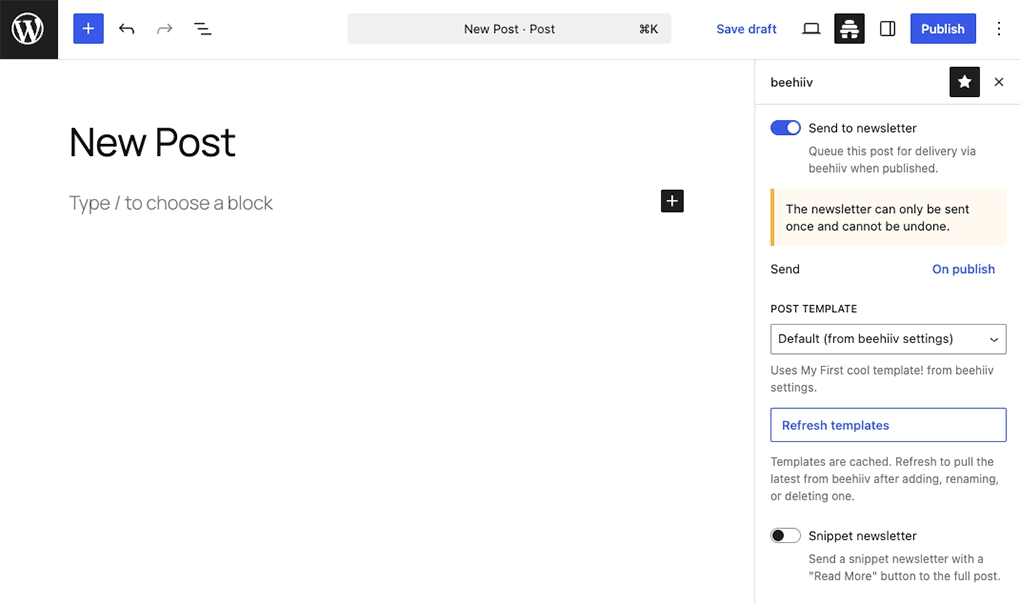
That gives publishers a faster, lower-cost path to beehiiv’s audience-growth and monetization tools without replacing their CMS or recreating content in a second system. For beehiiv, it removes a recurring obstacle in sales and onboarding, making the product easier to adopt for a major segment of the publishing market.
Square for WooCommerce: Connecting commerce across channels
Merchants that sell both online and in person need payments, products, inventory, orders, and fulfillment to stay aligned across channels. Otherwise, each new sales channel adds operational work and more opportunities for customer-facing errors.
Square for WooCommerce connects WooCommerce stores with Square’s payments and point-of-sale ecosystem. It keeps product and inventory data aligned, syncs fulfillment updates, and supports Square payments and gift cards online and in person.

Fueled initially joined the project to improve the stability of the existing integration. The partnership has since expanded across onboarding, payments, synchronization, fulfillment, and gift cards. The official extension helps Square remain at the center of merchants’ operations as they expand online, without requiring them to manage products, inventory, and payments separately for their WooCommerce store. It also gives WooCommerce merchants that sell in person a stronger reason to choose Square.
Google Site Kit: Connecting insights to growth and monetization
Site Kit brings Google products for measurement and monetization, including Analytics, Search Console, AdSense, and PageSpeed Insights, directly into WordPress. But its value goes beyond placing Google’s reporting tools inside the CMS.
By connecting Analytics with WordPress, Site Kit adds context such as authorship, categories, publication dates, and content type. It can also detect supported commerce and form plugins and track their conversion events. That enables insights Analytics does not provide out of the box, including which categories and authors attract readers and which pages and authors drive sales or leads.
Site Kit’s Reader Revenue Manager integration lets publishers configure pricing and content access in Google Publisher Center, then add Subscribe or Contribute calls to action from WordPress. Readers complete purchases or contributions through their Google accounts, giving publishers a lower-cost path beyond advertising without building their own paywall and payments integration.
Fueled (formerly 10up) has worked with Google on Site Kit since its earliest concept phase. Today, Site Kit has more than five million active installations, and our role spans product strategy, design, architecture, and engineering. The partnership helps Google turn new capabilities into a coherent, well-supported product for WordPress site owners.
Jobber: Bringing booking closer to conversion
Jobber provides scheduling, invoicing, and customer-management software for small service businesses. For many of those businesses, the website is a primary customer-acquisition channel, but custom integrations are beyond their budgets and technical resources. Adding booking needs to be as simple for the business as completing it is for the customer.
We partnered with Jobber to bring its booking and service-request flows into WordPress and Wix. Business owners can connect their Jobber account through a simple login-and-approval flow and place Jobber’s booking experience directly on their site. Customers can book or request service without leaving the website, while submissions flow directly into Jobber.
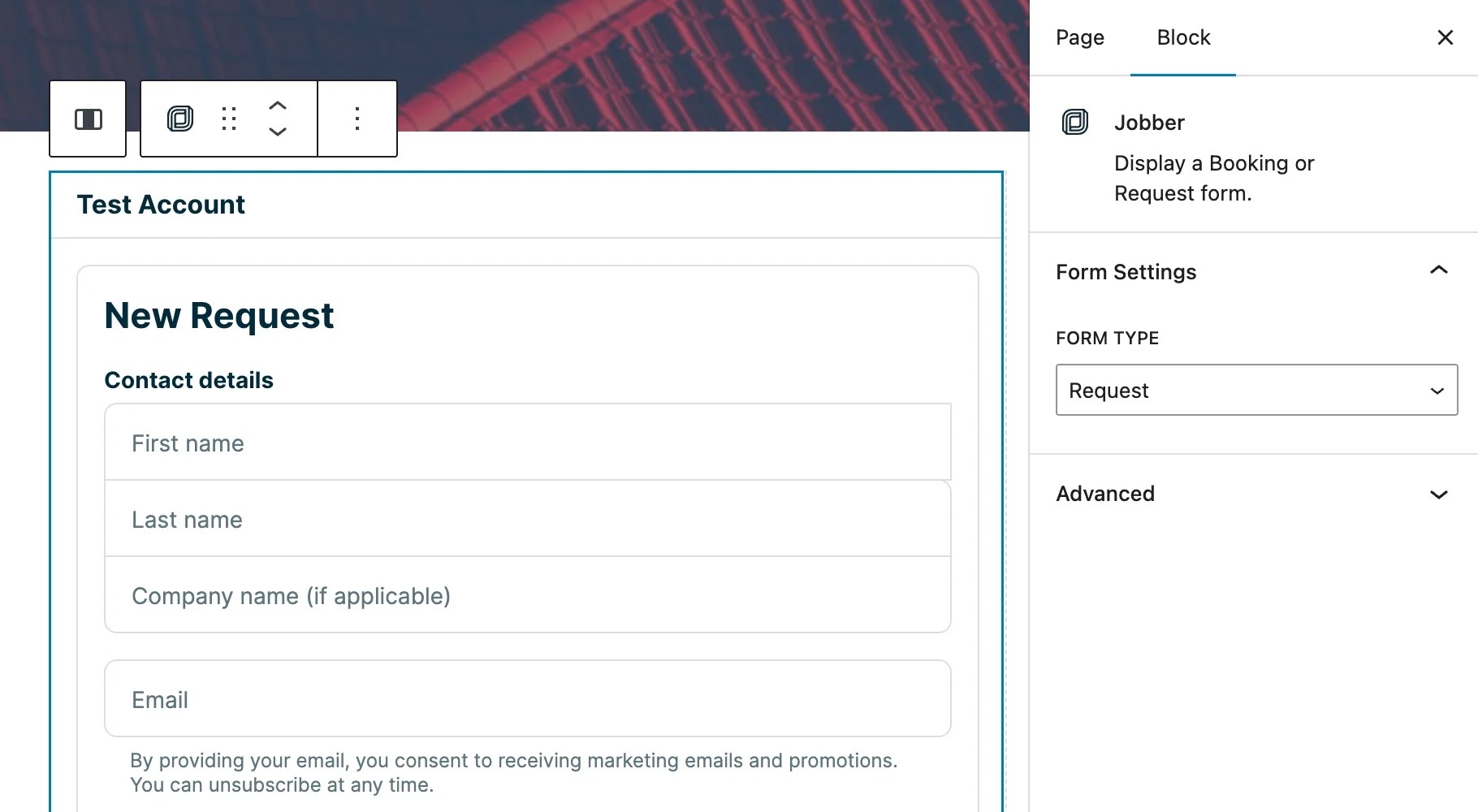
That creates a shorter path from discovery to conversion without asking small businesses to commission or maintain a custom integration. For Jobber, it distributes a revenue-driving capability through the website platforms its customers already use, while establishing a scalable model for expanding into additional ecosystems.
Integrations as a growth strategy
Turning an integration into a growth strategy takes more than connecting APIs. It requires understanding which capabilities matter in each platform, how customers need them to work, and how the integration can support the product’s larger business goals.
Fueled brings product strategy, design, platform expertise, and engineering together to turn integrations into drivers of adoption, engagement, and growth. Let’s talk.